
timing belt for all vehicle types
Budget-friendly timing belt
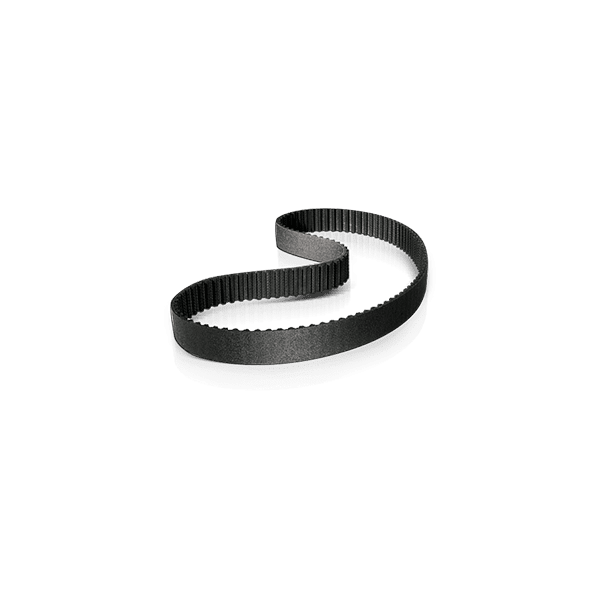
Cam belt by top brands
Timing belt for top vehicle manufacturers
Buy and change the cam belt on your car model
Best-rated products: timing belt
Most popular spare parts in the cam belt category. Explore our extensive selection of high-value car components from trusted brands in cam belt and beyond.
 CONTITECH CT 1208 Timing Belt
Number of Teeth: 182, 2002mm 34mm
CONTITECH CT 1208 Timing Belt
Number of Teeth: 182, 2002mm 34mm
Sold by AUTODOC
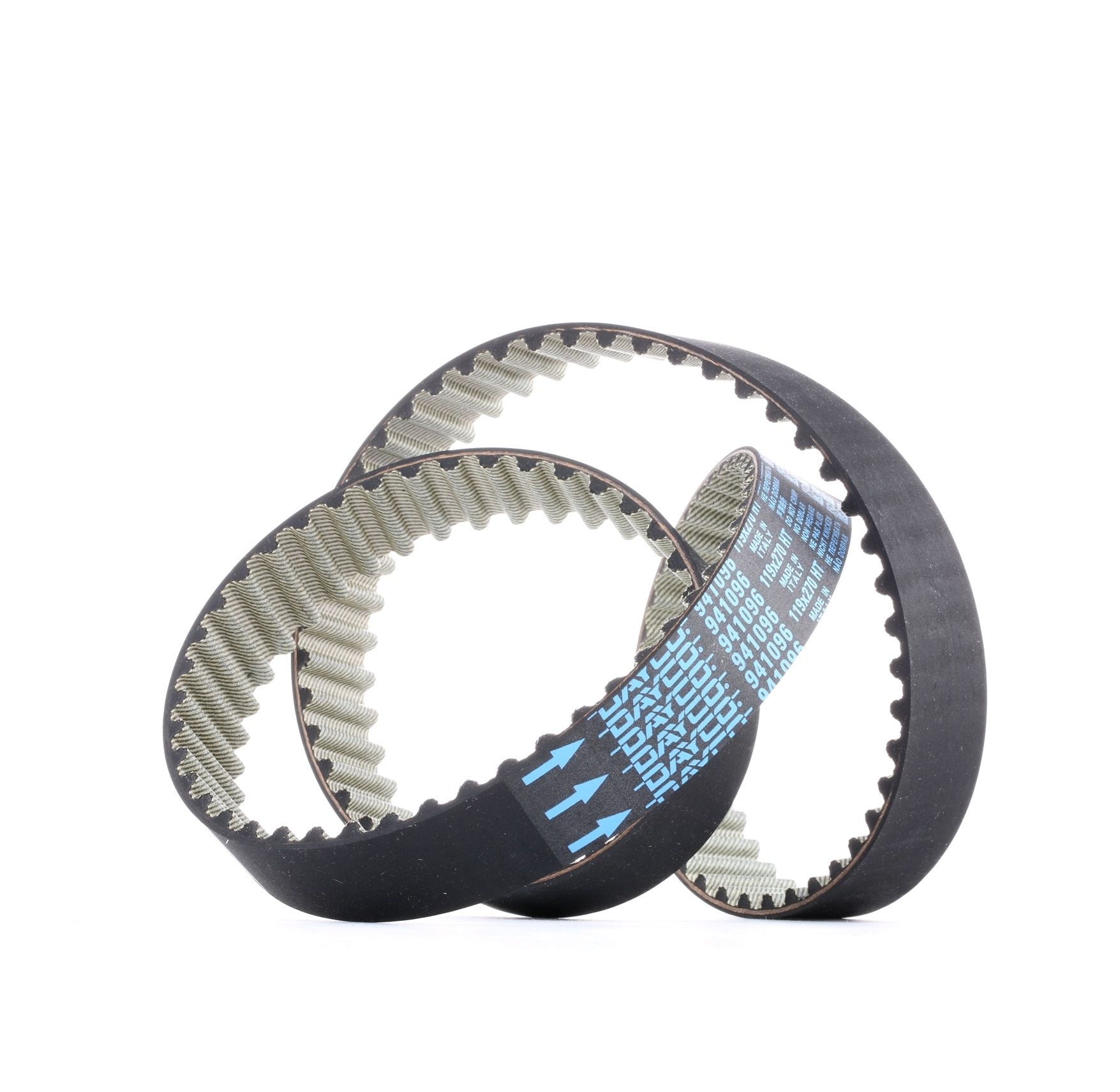 DAYCO 119RP+270HT Timing Belt
Number of Teeth: 119 27,0mm
DAYCO 119RP+270HT Timing Belt
Number of Teeth: 119 27,0mm
Sold by AUTODOC
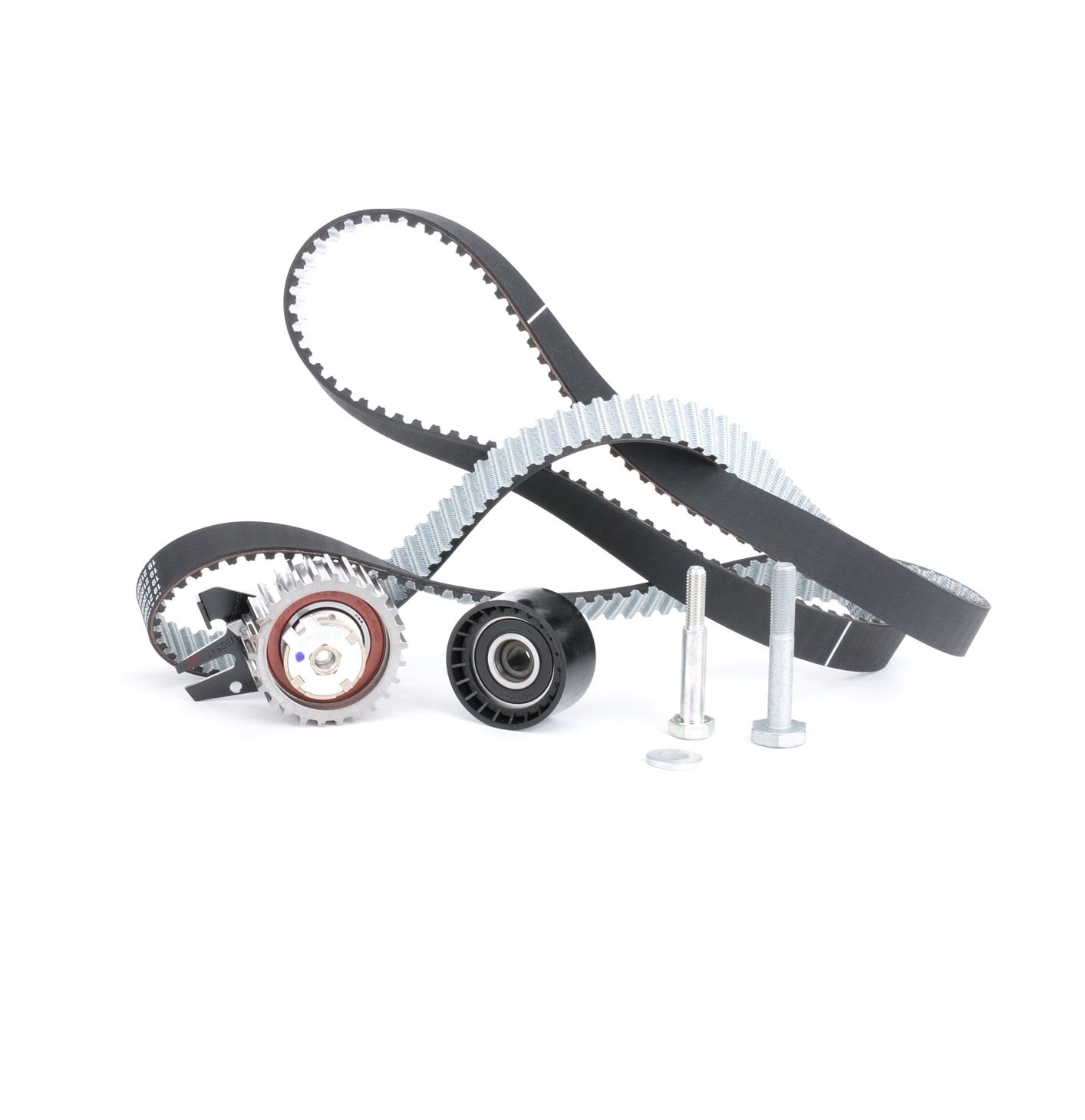 DAYCO KTB759 Timing belt kit
Sold by AUTODOC
 CONTITECH CTD 1903 C11 M34 Extreme Timing Belt
Number of Teeth: 173, 1903mm 34mm
CONTITECH CTD 1903 C11 M34 Extreme Timing Belt
Number of Teeth: 173, 1903mm 34mm
Sold by AUTODOC
 DAYCO KTB761 Timing belt kit
Sold by AUTODOC
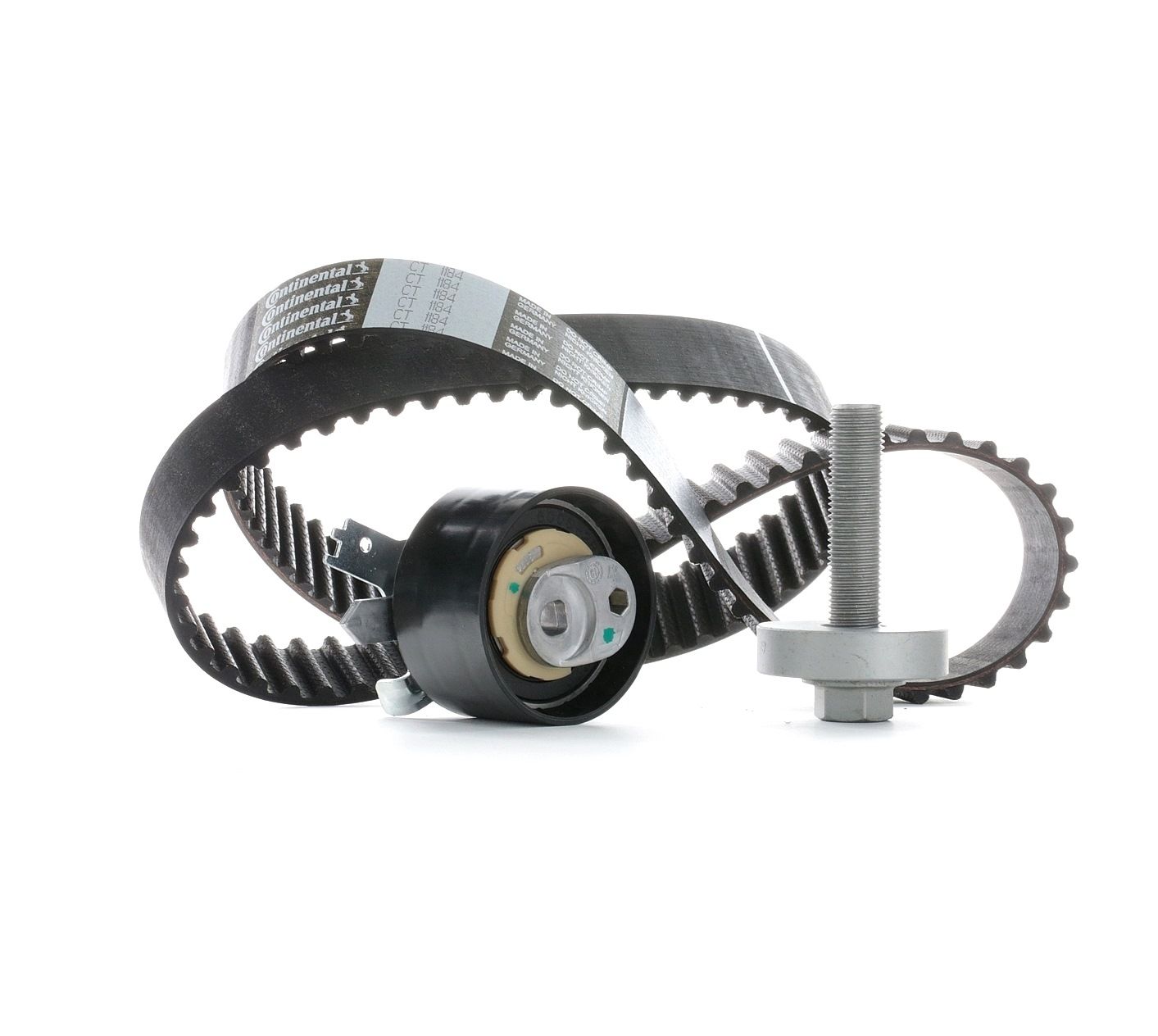 CONTITECH CT 1184 Timing belt kit
Number of Teeth: 119
CONTITECH CT 1184 Timing belt kit
Number of Teeth: 119
Sold by AUTODOC
 CONTITECH CT 1168 Timing belt kit
Number of Teeth: 145
CONTITECH CT 1168 Timing belt kit
Number of Teeth: 145
Sold by AUTODOC
 DAYCO KTB884 Timing belt kit
Sold by AUTODOC
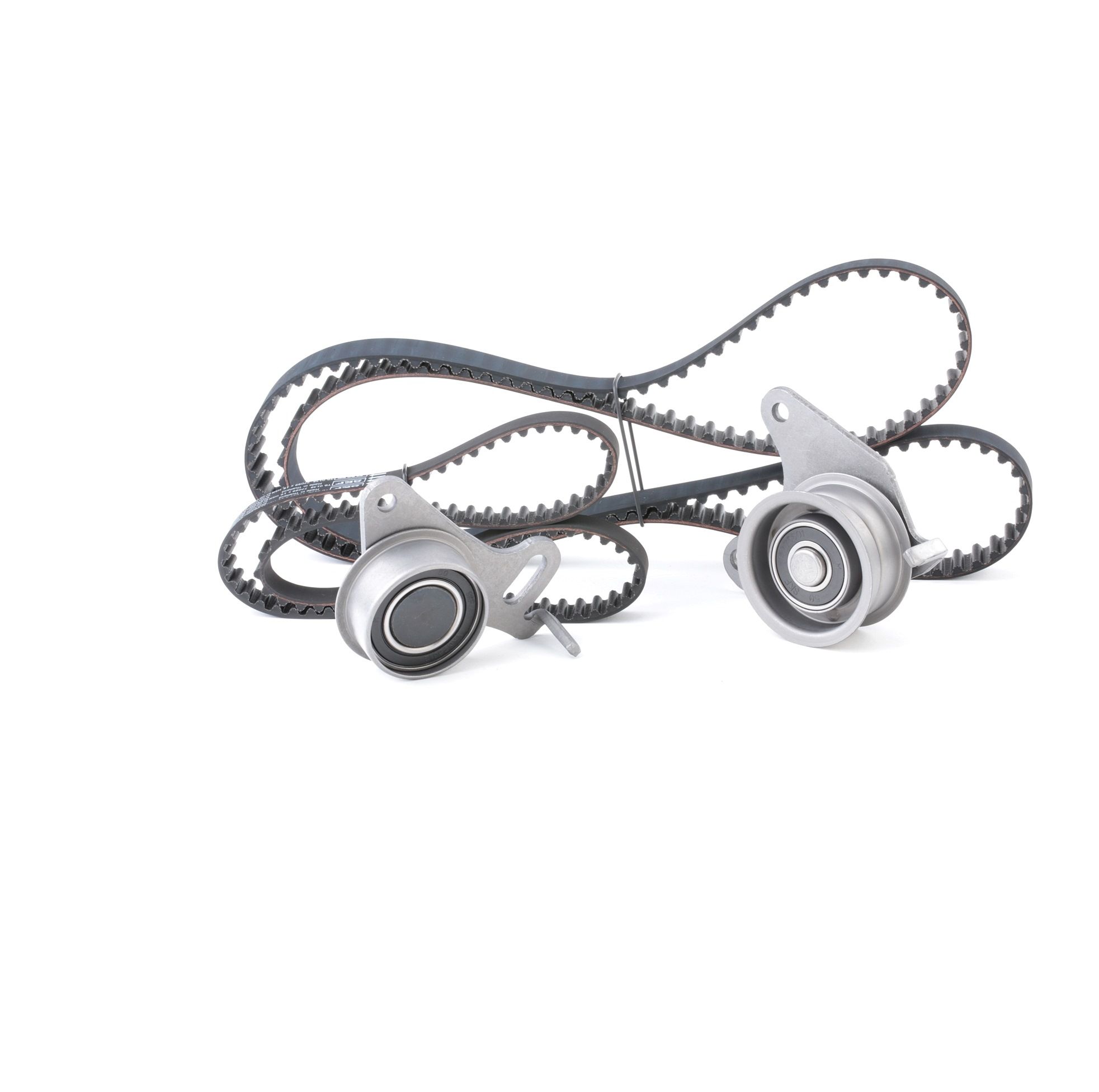 SKF VKM 75601 Timing belt kit
Number of Teeth 1: 163, with rounded tooth profile
SKF VKM 75601 Timing belt kit
Number of Teeth 1: 163, with rounded tooth profile
Sold by AUTODOC
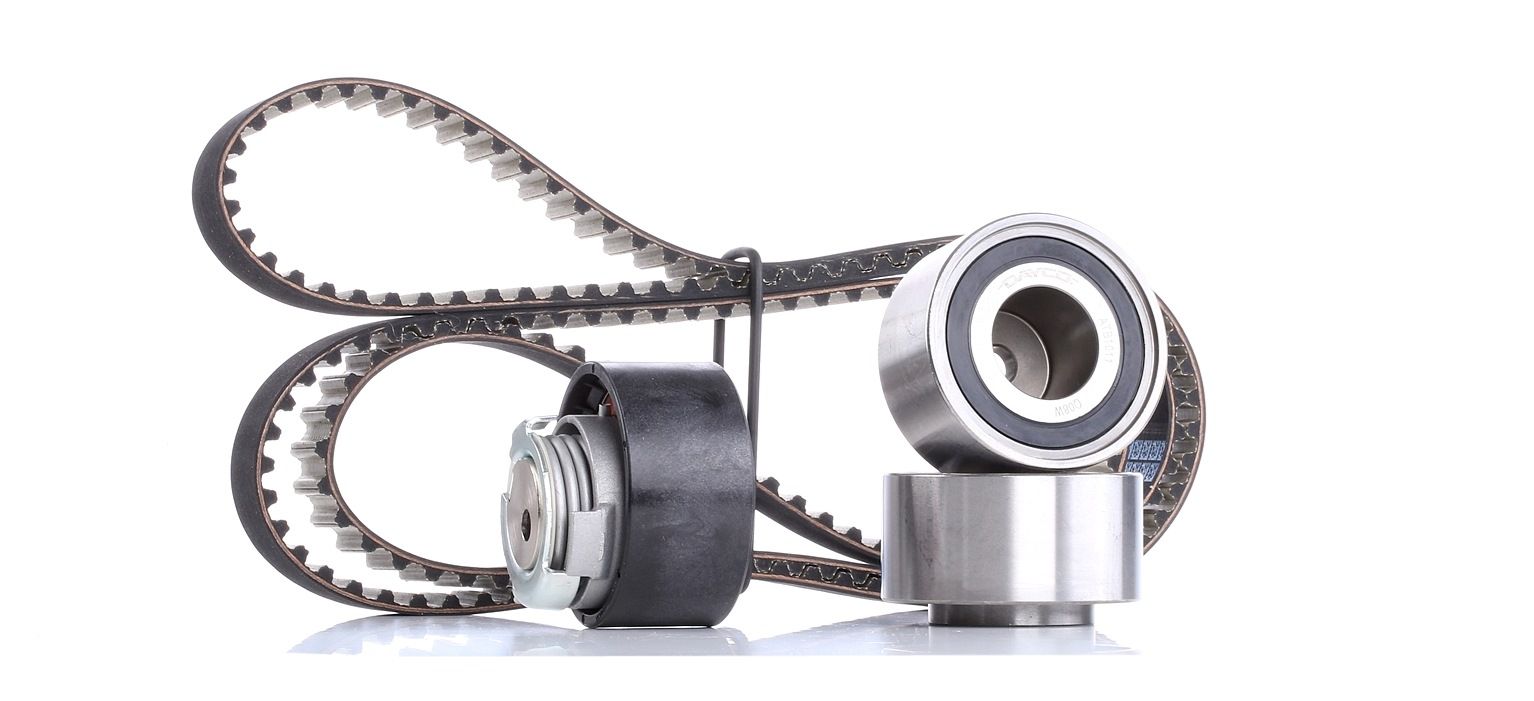 DAYCO KTB399 Timing belt kit
Sold by AUTODOC
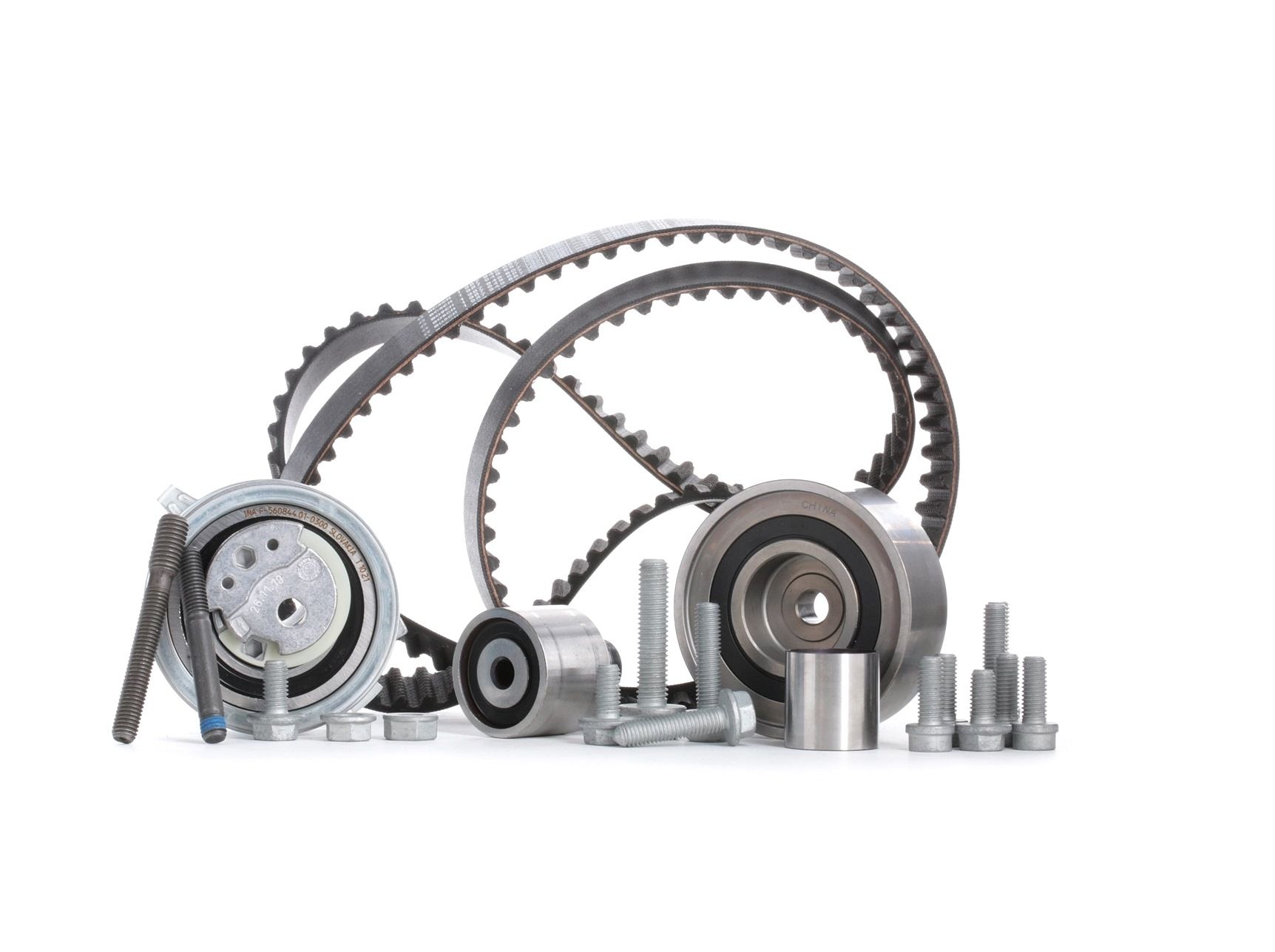 BOSCH SPANNROLLEN-SET Timing belt kit
Number of Teeth: 160
BOSCH SPANNROLLEN-SET Timing belt kit
Number of Teeth: 160
Sold by AUTODOC
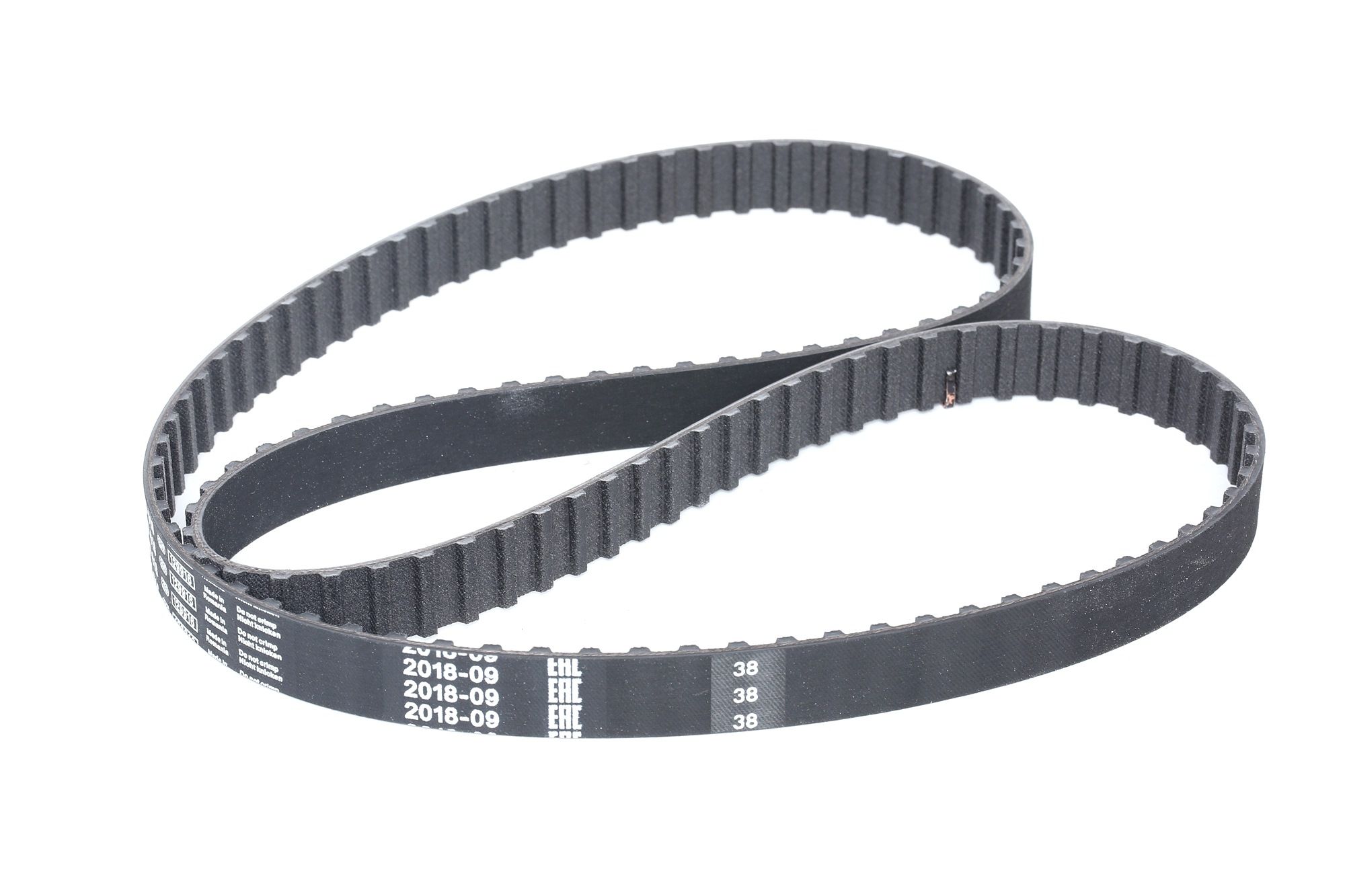 BOSCH BT017 Timing Belt
Number of Teeth: 121, 1153mm 18mm
BOSCH BT017 Timing Belt
Number of Teeth: 121, 1153mm 18mm
Sold by AUTODOC
 DAYCO KTB959 Timing belt kit
Sold by AUTODOC
 FEBI BILSTEIN 46282 Timing belt kit
Number of Teeth: 84, without tensioner element
FEBI BILSTEIN 46282 Timing belt kit
Number of Teeth: 84, without tensioner element
Sold by AUTODOC
 CONTITECH CT1094 Timing belt kit
Number of Teeth: 83
CONTITECH CT1094 Timing belt kit
Number of Teeth: 83
Sold by AUTODOC
 CONTITECH CT1028K3 Timing belt kit
Number of Teeth: 120
CONTITECH CT1028K3 Timing belt kit
Number of Teeth: 120
Sold by AUTODOC
 DAYCO KTB347 Timing belt kit
Sold by AUTODOC
 DAYCO KTB285 Timing belt kit
Sold by AUTODOC
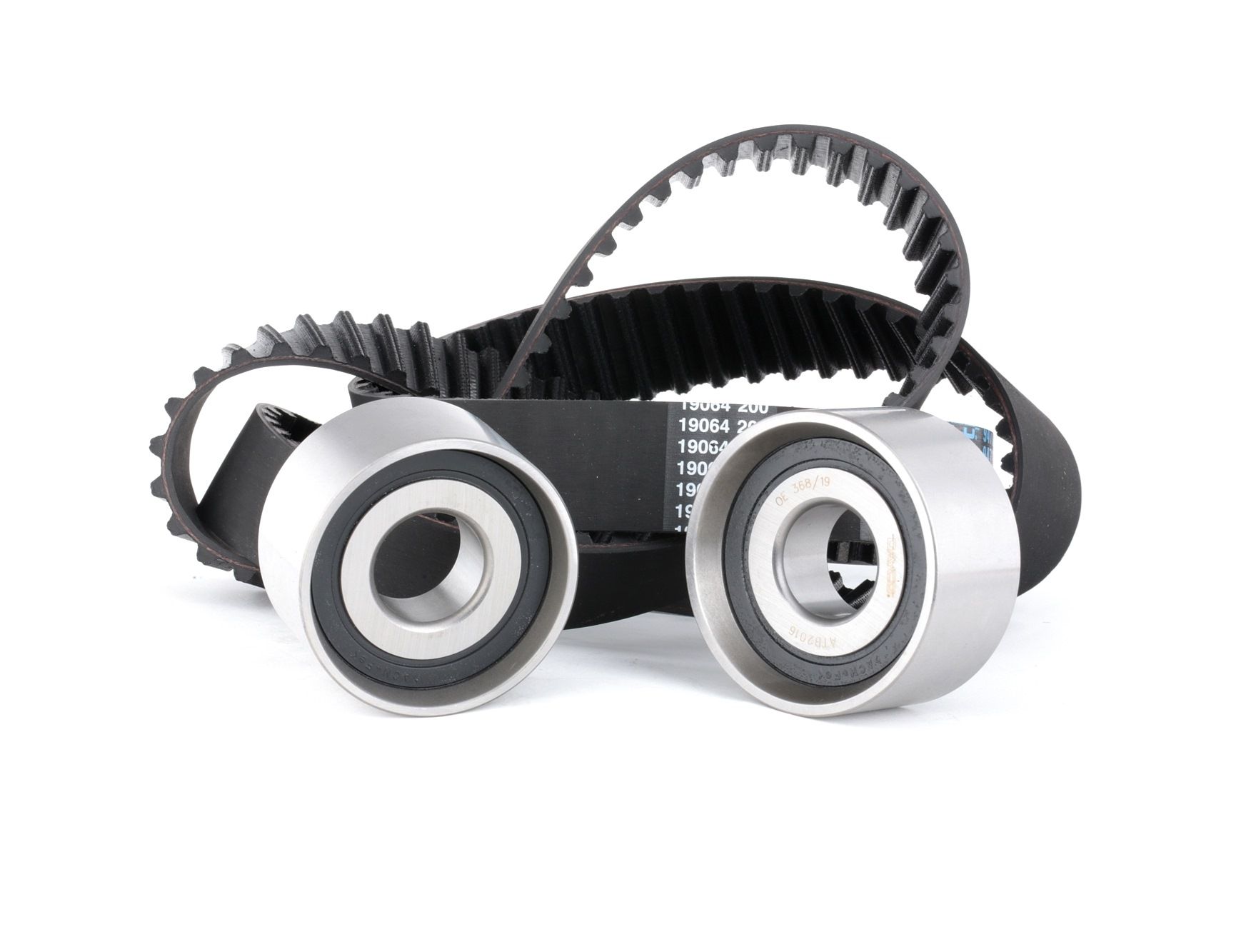 DAYCO KTB305 Timing belt kit
Sold by AUTODOC
 FEBI BILSTEIN 14574 Timing belt kit
Number of Teeth: 121, with trapezoidal tooth profile, incl. tensioner pulley
FEBI BILSTEIN 14574 Timing belt kit
Number of Teeth: 121, with trapezoidal tooth profile, incl. tensioner pulley
Sold by AUTODOC
| The bestselling products: | |||||
|---|---|---|---|---|---|
| 1 987 949 018 | 1 987 949 661 | 94513 | CT1143 | 94950 | T275 |
| For popular car brands: | |||||
| FIAT | VW | BMW | MERCEDES-BENZ | AUDI | FORD |
| Timing belt – technical details | |||||
| Number of Teeth | Length [mm] | Material | |||
| 132 | 121 | 1056 | 1153 | Fiberglass | HNBR (hydrogenated nitrile butadiene rubber) |
| 54 | 123 | 270 | 1086 | - | - |
| 129 | 114 | 991 | 838 | - | - |
Cambelt for cars: find out more! How to choose, when to change , and how much they cost
A timing belt is a part that synchronises the rotation of the crankshaft and the camshaft of a car engine. Depending on the vehicle construction and arrangement of the engine bay, it can also drive other units, such as a water pump.
Types
The components differ by length, width, and tooth configuration. These specifications have to match the technical characteristics of the vehicle precisely. The material whichtiming belts are made of can also vary. Each manufacturer uses a proprietary formula. As a rule, the parts feature a multi-layer structure that ensures their elasticity, strength, and wear-resistance.
Operating tips
You should monitor the condition of the protective cover in order to ensure the component has a long service life and the valvetrain works faultlessly. Replace it if it's damaged so as to avoid exposure to dirt and foreign objects getting between the timing belt and the pulley. Fix any leaks under the bonnet immediately. Check the tensioning regularly and adjust it when necessary. When replacing the component, always install new rollers, using appropriate tools. It is recommended to carry out replacement around every 50,000 kilometres. When it comes to servicing intervals, it’s best to rely on the manufacturer’s recommendations, which can be found in the vehicle owner’s manual. In addition, it is important to monitor the condition of the alternator belt: if it tears, there is a risk of damage to the timing belt pulleys and the belt itself.
Symptoms of defects
The component can start to slip over the teeth in case of slack tensioning. This leads to malfunctions of the ignition system, causing the engine to vibrate more than usual, lose power, and become difficult to start. Black smoke may come from the exhaust pipe, which indicates enrichment of the air–fuel mixture. Wear, layering, and cracking of the part can be accompanied by unusual sounds, the nature of which is related to engine rotation speed. Leaking oil or coolant near the drive area can indicate that there’s grease on the belt. If the engine doesn’t start but the starter works, it’s possible that the timing belt has torn, causing the valves to bend. Many defects can be found during visual inspection of the part. These include dents on the teeth, cracks and wear between the teeth, deterioration of the edges, etc.
Causes of defects
Many defects, such as tooth shearing, wear, or dents on the surface are caused by insufficient tightening of the timing belt. Excessive tightening is also dangerous, as it leads to snapping of the belt, as well as wear of the areas between the teeth. Cracks at the back side of the belt can be caused by sudden temperature change and wear of the idler pulley. Misalignment of the pulleys leads to shearing of the belt teeth, and the pulleys can also heat up due to jamming of their bearings. Broken engine seals also cause leaks. The belt can also break down due to contact with oil.
autodoc24.it: only high-quality automotive spare parts
In our online shop you can buy a timing belt for a car of any make and model. If you need help choosing the right part, our specialists will be happy to advise you.
Useful information on functions, causes of malfunction, diagnosis and replacement intervals

Confidence in online shopping! You can return a spare part without explanation within 200 days after purchase and get your money back. How? Just use the Safe Order service at the checkout page. The service cost is only 4,95 €.

Each order from 140 € value of goods, include free shipping within Italy.
*Does not apply to large-size auto parts.

